Euronext
Fintech
Building a consistent design system for 10+ financial products
Lead UX
Design Systems
I led the creation of Euronext's first shared design system, unifying 10+ B2B financial products and reducing design-to-dev delivery time by 30%.
10+
Products unified
30%
Faster delivery
80+
Components shipped
6mo
From kickoff to full adoption
The Challenge
10+ product teams, no shared foundation.
Euronext operates regulated financial markets across Europe, with stock exchanges in Paris, Amsterdam, Milan, and Lisbon. Euronext Corporate Solutions is the B2B SaaS division that builds digital tools for listed companies: investor relations platforms, governance software, and board management solutions. Each team built its own patterns, no shared tokens, no shared components. The result: visual fragmentation, slow feature delivery, and a design team spending 40% of time rebuilding existing patterns.
Zero design consistency
Each of 10+ products had different colors, spacing, and interaction patterns, and users switching between products felt the inconsistency.
Slow delivery cycle
No shared components meant designers and engineers rebuilt the same patterns product after product, feature after feature.
No design-engineering handoff standard
Every handoff was ad-hoc. Specs lived in different tools, conventions differed by team, and production drift was the norm.
My Approach
My process, step by step.
01
Cross-team audit & alignment
Catalogued every UI pattern across 8 products. Mapped overlaps, conflicts, and usage frequency. Built the case for a shared system.
02
Tokens-first architecture
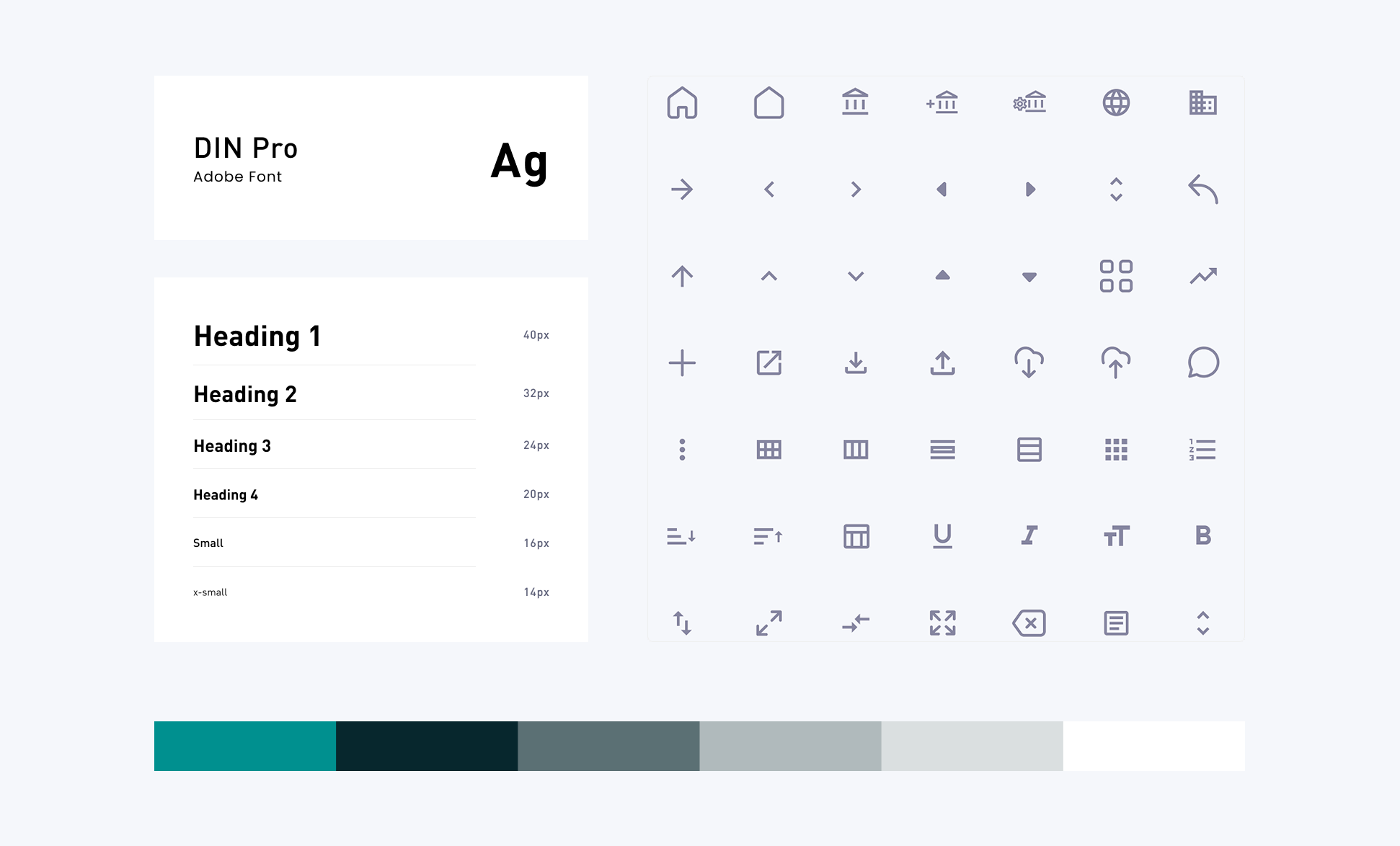
Defined design tokens (color, spacing, radius, typography) before touching a single component; creating the contract between design and code.
03
Collaborative component building
Co-designed components with product teams who would use them daily. Validated each component in real product contexts before shipping.
04
Engineering-first collaboration
Developers were involved from day one, not at handoff. We ran weekly syncs and joint design reviews throughout the process. I defined token specs and naming conventions in close discussion with the engineering team before any implementation, so there was no translation gap. Components were validated in Storybook before being considered shipped.
05
Governance & contribution model
To keep the system healthy at scale, I set up a structured contribution process. New component requests went through a review with the lead designer and engineering before anything was added. Nothing shipped without edge cases covered and documentation written.
Key Decision
"I chose to start with tokens, not components because tokens are what make components portable. Without a shared token layer, every component becomes a one-off. With it, every component becomes reusable."
The Solution
A system built to scale with the business.
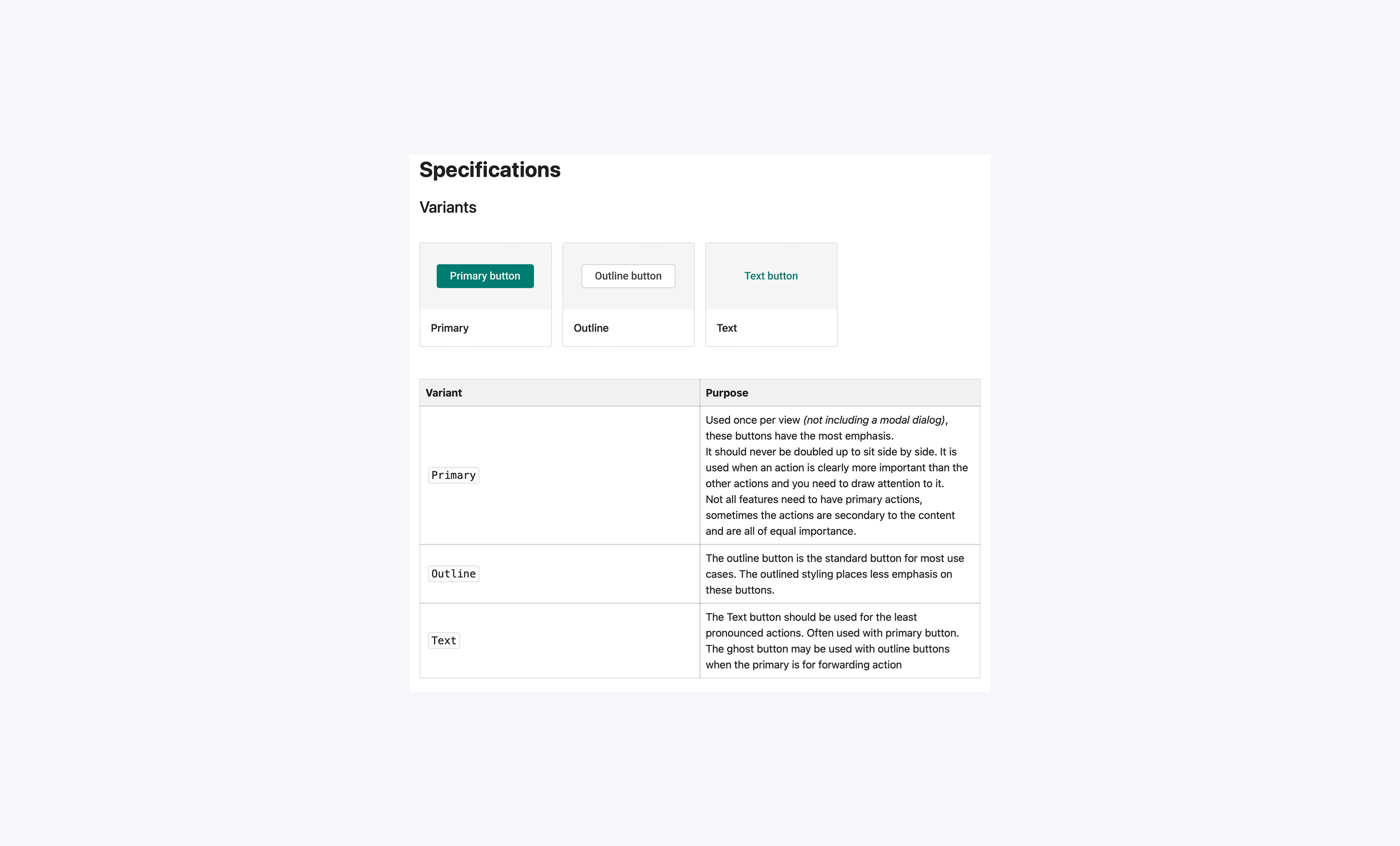
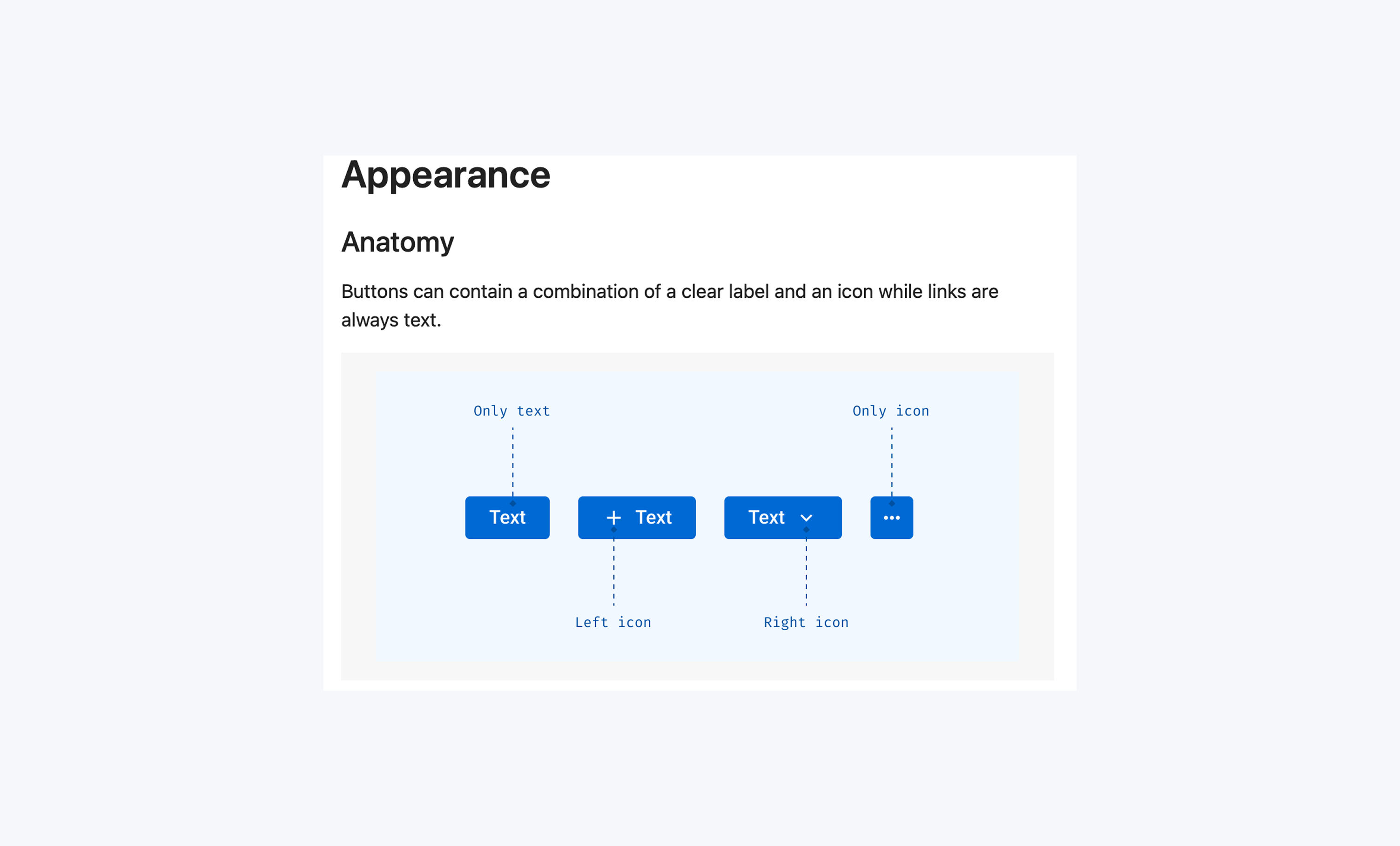
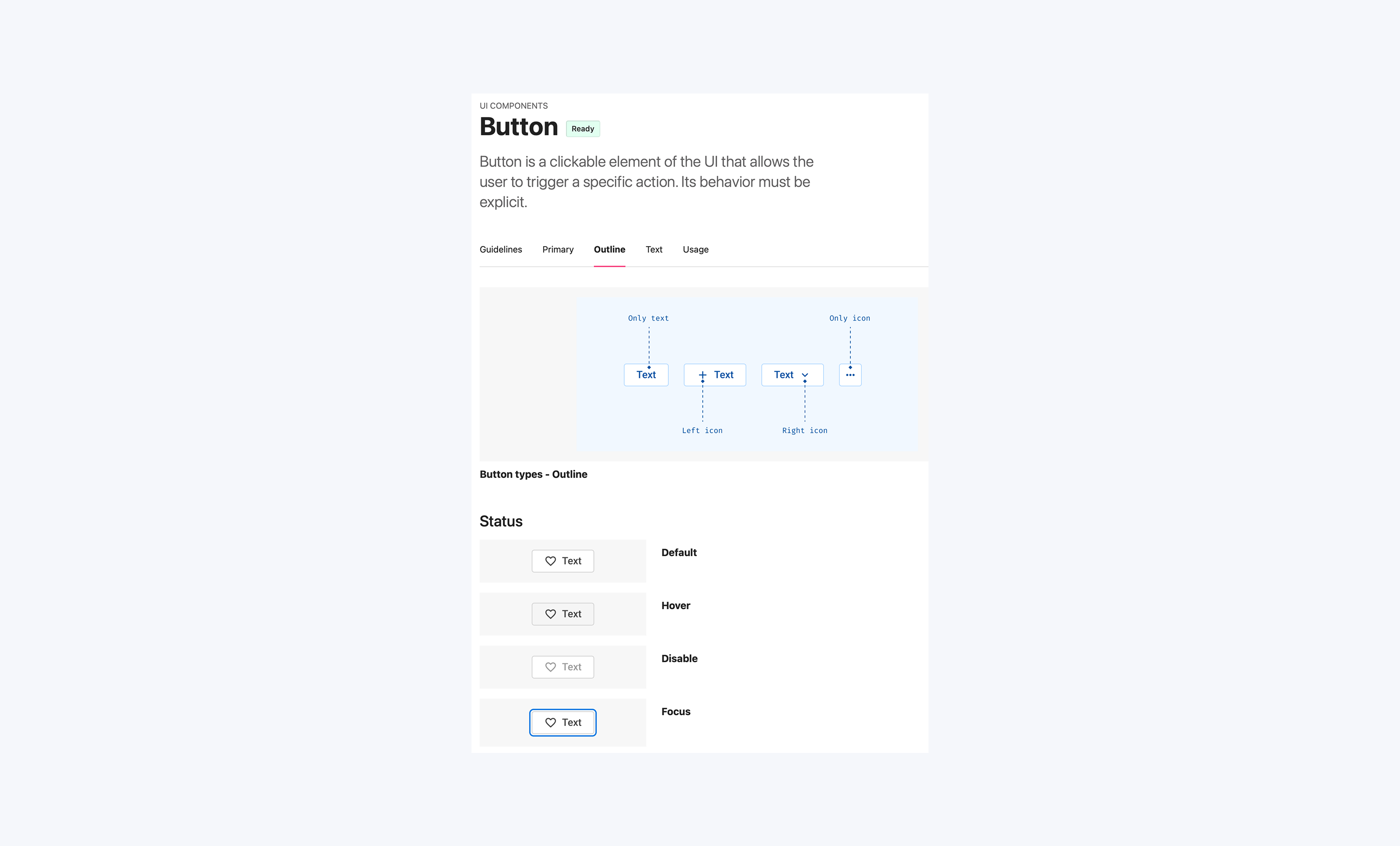
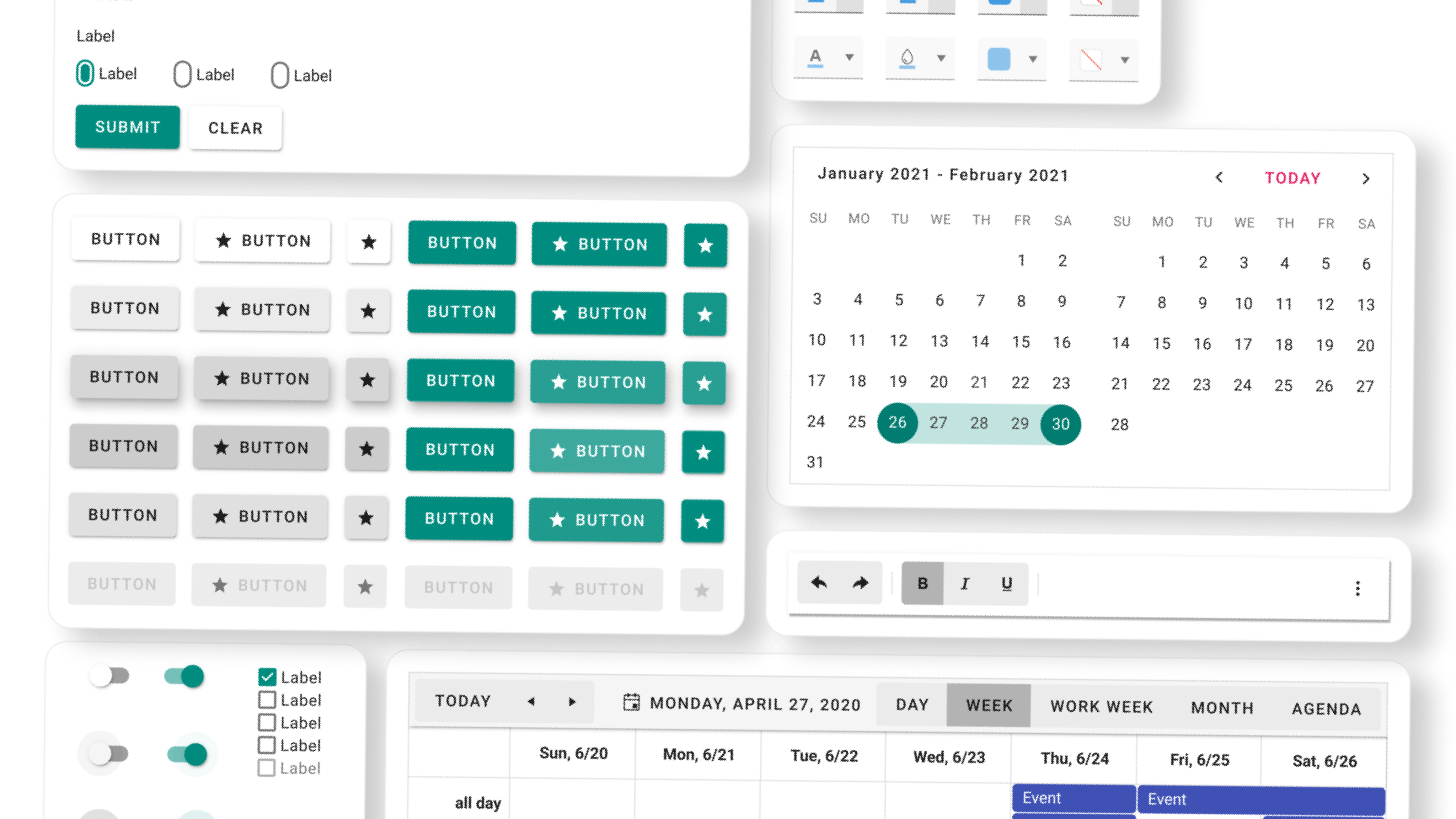
80+ components, built on a shared token layer, documented in Figma and implemented in code. Adopted across 10 products within 6 months of launch.
Impact
Consistent products. Faster teams.
What I'd do differently: Push for an embedded engineering partner from day 1. The token-to-code translation gap cost 4 weeks of rework that early collaboration would have prevented.
10+
Products unified
30%
Faster delivery
80+
Components shipped
6mo
From kickoff to full adoption
© 2026 Victoria Pereira
Made with Figma
Euronext
Fintech
Building a consistent design system for 10+ financial products
Lead UX
Design Systems
I led the creation of Euronext's first shared design system, unifying 10+ B2B financial products and reducing design-to-dev delivery time by 30%.
10+
Products unified
30%
Faster delivery
80+
Components shipped
6mo
From kickoff to full adoption
The Challenge
10+ product teams, no shared foundation.
Euronext operates regulated financial markets across Europe, with stock exchanges in Paris, Amsterdam, Milan, and Lisbon. Euronext Corporate Solutions is the B2B SaaS division that builds digital tools for listed companies: investor relations platforms, governance software, and board management solutions. Each team built its own patterns, no shared tokens, no shared components. The result: visual fragmentation, slow feature delivery, and a design team spending 40% of time rebuilding existing patterns.
Zero design consistency
Each of 10+ products had different colors, spacing, and interaction patterns, and users switching between products felt the inconsistency.
Slow delivery cycle
No shared components meant designers and engineers rebuilt the same patterns product after product, feature after feature.
No design-engineering handoff standard
Every handoff was ad-hoc. Specs lived in different tools, conventions differed by team, and production drift was the norm.
My Approach
My process, step by step.
01
Cross-team audit & alignment
Catalogued every UI pattern across 8 products. Mapped overlaps, conflicts, and usage frequency. Built the case for a shared system.
02
Tokens-first architecture
Defined design tokens (color, spacing, radius, typography) before touching a single component; creating the contract between design and code.
03
Collaborative component building
Co-designed components with product teams who would use them daily. Validated each component in real product contexts before shipping.
04
Engineering-first collaboration
Developers were involved from day one, not at handoff. We ran weekly syncs and joint design reviews throughout the process. I defined token specs and naming conventions in close discussion with the engineering team before any implementation, so there was no translation gap. Components were validated in Storybook before being considered shipped.
05
Governance & contribution model
To keep the system healthy at scale, I set up a structured contribution process. New component requests went through a review with the lead designer and engineering before anything was added. Nothing shipped without edge cases covered and documentation written.
Key Decision
"I chose to start with tokens, not components because tokens are what make components portable. Without a shared token layer, every component becomes a one-off. With it, every component becomes reusable."
The Solution
A system built to scale with the business.
80+ components, built on a shared token layer, documented in Figma and implemented in code. Adopted across 10 products within 6 months of launch.
Impact
Consistent products. Faster teams.
What I'd do differently: Push for an embedded engineering partner from day 1. The token-to-code translation gap cost 4 weeks of rework that early collaboration would have prevented.
10+
Products unified
30%
Faster delivery
80+
Components shipped
6mo
From kickoff to full adoption
© 2026 Victoria Pereira
Made with Figma
Euronext
B2B · Fintech
Building a consistent design system for 10+ financial products
Lead UX
Design Systems
I led the creation of Euronext's first shared design system, unifying 10+ B2B financial products and reducing design-to-dev delivery time by 30%.
10+
Products unified
30%
Faster delivery
80+
Components shipped
6mo
From kickoff to full adoption
The Challenge
10+ product teams, no shared foundation.
Euronext operates regulated financial markets across Europe, with stock exchanges in Paris, Amsterdam, Milan, and Lisbon. Euronext Corporate Solutions is the B2B SaaS division that builds digital tools for listed companies: investor relations platforms, governance software, and board management solutions. Each team built its own patterns, no shared tokens, no shared components. The result: visual fragmentation, slow feature delivery, and a design team spending 40% of time rebuilding existing patterns.
Zero design consistency
Each of 10+ products had different colors, spacing, and interaction patterns, and users switching between products felt the inconsistency.
Slow delivery cycle
No shared components meant designers and engineers rebuilt the same patterns product after product, feature after feature.
No design-engineering handoff standard
Every handoff was ad-hoc. Specs lived in different tools, conventions differed by team, and production drift was the norm.
My Approach
My process, step by step.
01
Cross-team audit & alignment
Catalogued every UI pattern across 8 products. Mapped overlaps, conflicts, and usage frequency. Built the case for a shared system.
02
Tokens-first architecture
Defined design tokens (color, spacing, radius, typography) before touching a single component; creating the contract between design and code.
03
Collaborative component building
Co-designed components with product teams who would use them daily. Validated each component in real product contexts before shipping.
04
Engineering-first collaboration
Developers were involved from day one, not at handoff. We ran weekly syncs and joint design reviews throughout the process. I defined token specs and naming conventions in close discussion with the engineering team before any implementation, so there was no translation gap. Components were validated in Storybook before being considered shipped.
05
Governance & contribution model
To keep the system healthy at scale, I set up a structured contribution process. New component requests went through a review with the lead designer and engineering before anything was added. Nothing shipped without edge cases covered and documentation written.
Key Decision
"I chose to start with tokens, not components because tokens are what make components portable. Without a shared token layer, every component becomes a one-off. With it, every component becomes reusable."
The Solution
A system built to scale with the business.
80+ components, built on a shared token layer, documented in Figma and implemented in code. Adopted across 10 products within 6 months of launch.
Impact
Consistent products. Faster teams.
What I'd do differently: Push for an embedded engineering partner from day 1. The token-to-code translation gap cost 4 weeks of rework that early collaboration would have prevented.
10+
Products unified
30%
Faster delivery
80+
Components shipped
6mo
From kickoff to full adoption
© 2026 Victoria Pereira
Made with Figma